%20(1).png)
TGA Renovated - Residential
Historic Renovation in Charlotte & Across North Carolina
Your historic property tells a story worth preserving. TGA Renovated specializes in historic renovation that honors original character while integrating modern comfort, safety, and efficiency. From Dilworth bungalows to Oakwood Victorians, we restore what time has worn and upgrade what the era couldn't offer.
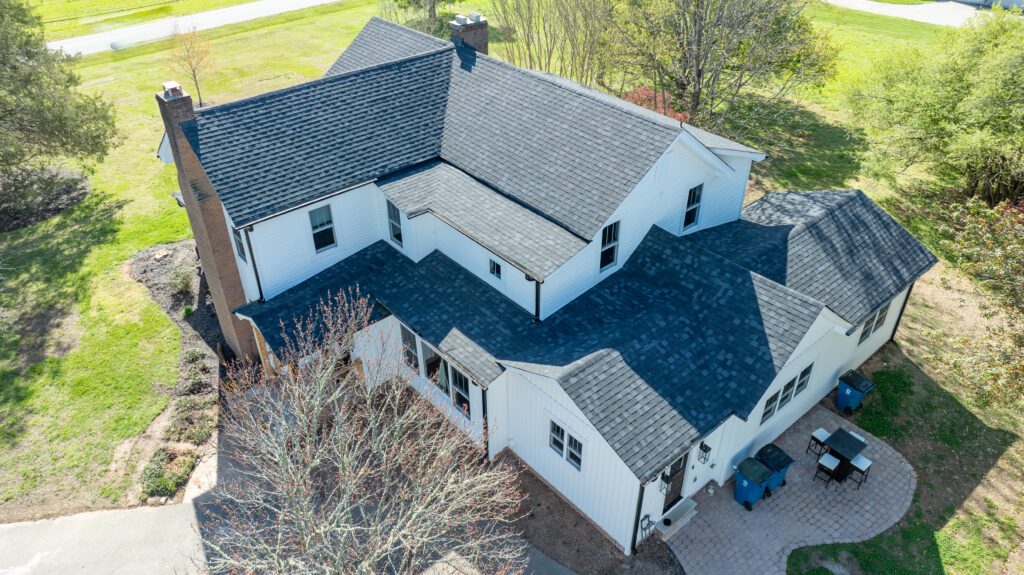
Is Historic Renovation Right for Your Project?
Historic renovation requires a contractor who understands preservation standards, period-appropriate materials, and the regulatory landscape that comes with older and designated properties. Here's who benefits most from our historic renovation service.
Get Started
Owners of Homes in Designated Historic Districts
You live in a Charlotte historic neighborhood like Dilworth, Myers Park, or Fourth Ward, or in Raleigh's Oakwood district. Your home has character you love, but it also has outdated systems, deteriorating materials, and functionality gaps that make daily life difficult. You need a renovation partner who can modernize without erasing what makes your home special.
Buyers of Older Homes Seeking Sensitive Updates
You've just purchased a turn-of-the-century home or mid-century property and want to make it livable for your family without stripping away the architectural details that drew you to it. You need someone who knows how to open up a kitchen or add a bathroom without compromising the home's historic integrity.
Owners Facing Code Compliance Challenges
Your older home needs electrical, plumbing, or structural upgrades to meet current safety codes, but you can't simply rip out original features to make it work. You need a contractor experienced in threading modern systems through historic structures while preserving original plaster, millwork, and layout.
Commercial Property Owners Restoring Historic Buildings
You own a historic commercial building in a downtown district and want to restore it for modern use, whether that's office space, retail, or mixed-use. You need adaptive reuse expertise that satisfies both historic preservation requirements and contemporary building codes.
Owners Navigating Historic Development Commission Requirements
Your property falls under local Historic Development Commission (HDC) or Historic Preservation Commission (HPC) jurisdiction. Every exterior change and many interior modifications require approval. You need a contractor who understands the application process, knows what reviewers look for, and can design solutions that pass on the first submission.
Not Sure If This Is Right?
If your home is older but not in a designated historic district and doesn't require preservation-compliant work, our Whole Home Renovation service may be a better and more cost-effective fit. We'll help you determine the right approach during your consultation.
Whole Home Renovation

How We Deliver Historic Renovation Projects
Historic renovation presents challenges that standard renovation does not. Preservation requirements, aging materials, hidden structural conditions, and commission approvals all demand a deliberate approach. Our process is built specifically for this kind of work.
Get StartedDiscovery & Planning
We begin with a thorough investigation of your property's history, existing conditions, and the regulatory requirements that will guide every decision.
Timeline: 2-4 Weeks

Initial consultation to understand your restoration goals, budget, and how you use the home
Research into the property's history, original construction methods, and any previous modifications
Historic Development Commission or Historic Preservation Commission requirements assessment for your specific district
Documentation of existing conditions including original materials, architectural details, and areas of deterioration; structural and systems evaluation identifying what must be replaced, what can be repaired, and what must be preserved; preliminary budget development with contingency planning for concealed conditions common in older structures
Design & Pre-Construction
Preservation-compliant designs are developed, commission approvals are secured, and period-appropriate materials are sourced before construction begins.
Timeline: 3-8 Weeks

Preservation-compliant design development balancing modern functionality with historic character
HDC or HPC application preparation with detailed drawings, material specifications, and compliance narratives
Coordination with local historic commission reviewers and attendance at approval hearings
Sourcing of period-appropriate materials including reclaimed lumber, historically accurate hardware, matching brick, and era-specific millwork profiles; engineering reviews for any structural modifications required to support modern loads or open floor plan elements; permit applications for all required building, electrical, plumbing, and mechanical work
Restoration & Build-Out
Construction proceeds with the care and precision that historic properties demand, preserving original character while integrating modern systems.
Timeline: Varies by Scope
Careful selective demolition preserving original features designated for retention (plaster walls, hardwood floors, trim, built-ins)
Structural repairs and reinforcement using methods compatible with original construction techniques
Integration of modern electrical, plumbing, and HVAC systems routed through existing wall cavities, chases, and attic spaces to avoid visible alterations
Restoration of original architectural details including plaster repair, wood window restoration, millwork replication, and masonry repointing
Period-accurate finish work matching original paint colors, hardware styles, flooring profiles, and trim details; final inspections coordinated with both building code officials and historic preservation authorities
Hear from our customers





We proudly serve the following areas in North & South Carolina
TGA Renovated is honored to serve clients throughout North Carolina’s largest cities and surrounding areas. From Charlotte to Raleigh and beyond, we deliver professional construction, renovation, and design services built on trust, integrity, and lasting quality. Wherever you are, our team is ready to bring your vision to life with precision, reliability, and care.
Charlotte, NC
Concord, NC
Gastonia, NC
Mooresville, NC
Cornelius, NC
Davidson, NC
Denver, NC
Troutman, NC
Huntersville, NC
Matthews, NC
Fort Mill, SC
Rock Hill, SC
Historic Renovation FAQs
What is the historic commission approval process, and how long does it take?

If your property is in a designated historic district, most exterior changes and some interior modifications require approval from your local Historic Development Commission (HDC) or Historic Preservation Commission (HPC). The process typically involves submitting an application with drawings and material specifications, followed by a review hearing. Timelines vary by jurisdiction but generally take 4-8 weeks. We prepare all application materials and attend hearings on your behalf to streamline the process.
What can and cannot be changed in a historic home?
Requirements vary by district, but generally exterior elements visible from the public right-of-way receive the most scrutiny, including siding, windows, roofing, porches, and additions. Interior modifications are often less restricted unless the property has interior landmark designation. We research your specific district's guidelines during our planning phase so you know exactly what's possible before design begins.
Are there tax credits available for historic renovation in North Carolina?
Yes. North Carolina offers state historic tax credits for qualified rehabilitation of income-producing historic properties, and federal tax credits are available through the National Park Service for certified historic structures used for income-producing purposes. Owner-occupied residential properties may also qualify under certain programs. We can connect you with preservation tax credit consultants who specialize in maximizing these incentives.
How does the timeline for historic renovation compare to standard renovation?
Historic renovation generally takes longer due to commission approvals, careful demolition requirements, period-material sourcing, and specialized craftsmanship. A project that might take 10-12 weeks as a standard renovation could take 16-24 weeks as a historic renovation. The additional time is primarily front-loaded in the planning and approval phases. Once construction begins, the pace is comparable to standard work with some additional care during demolition and finish stages.
Where do you find period-appropriate materials for historic renovations?
We maintain relationships with architectural salvage yards, specialty millwork shops, and reclaimed material suppliers across the Southeast. For items that cannot be sourced as originals, we work with craftspeople who can replicate historic profiles, hardware, and finishes. Matching existing brick, mortar color, and wood species is part of our standard process for any historic project.
Can you install modern HVAC, electrical, and plumbing in a historic home without visible alterations?
Yes, and this is one of our core specialties. We route modern systems through existing wall cavities, floor joists, attic spaces, and interior chases to avoid visible ductwork, conduit, or piping. High-velocity mini-duct HVAC systems, slim-profile registers, and compact mechanical equipment are common solutions. The goal is full modern comfort with no evidence of the systems from a finished perspective.
How much more does historic renovation cost compared to standard renovation?
Historic renovation typically carries a 15-30% cost premium over comparable standard renovation. The additional cost comes from commission application and compliance work, period-appropriate materials (which are more expensive and harder to source), specialized labor for restoration tasks like plaster repair and millwork replication, and the more careful demolition and construction methods required. We provide detailed estimates that clearly show where historic-specific costs apply.
Which North Carolina neighborhoods and districts have historic designation?
North Carolina has hundreds of designated historic districts. Major ones include Dilworth, Myers Park, Fourth Ward, Plaza Midwood, and Wesley Heights in Charlotte; Oakwood, Boylan Heights, and Mordecai in Raleigh; Montford and Grove Park in Asheville; Old Salem and West End in Winston-Salem; and College Hill and Fisher Park in Greensboro. County and municipal historic inventories list all designated properties and districts. We can verify whether your property falls within a regulated district.
What permits are required for historic renovation beyond standard building permits?
In addition to standard building permits (electrical, plumbing, mechanical, general building), historic properties typically require a Certificate of Appropriateness (COA) from the local historic commission before any exterior work begins. Some jurisdictions also require COAs for significant interior work. If your property is individually listed on the National Register, additional reviews may apply for projects using federal or state tax credits. We manage all permitting layers as part of our standard service.
.jpg)